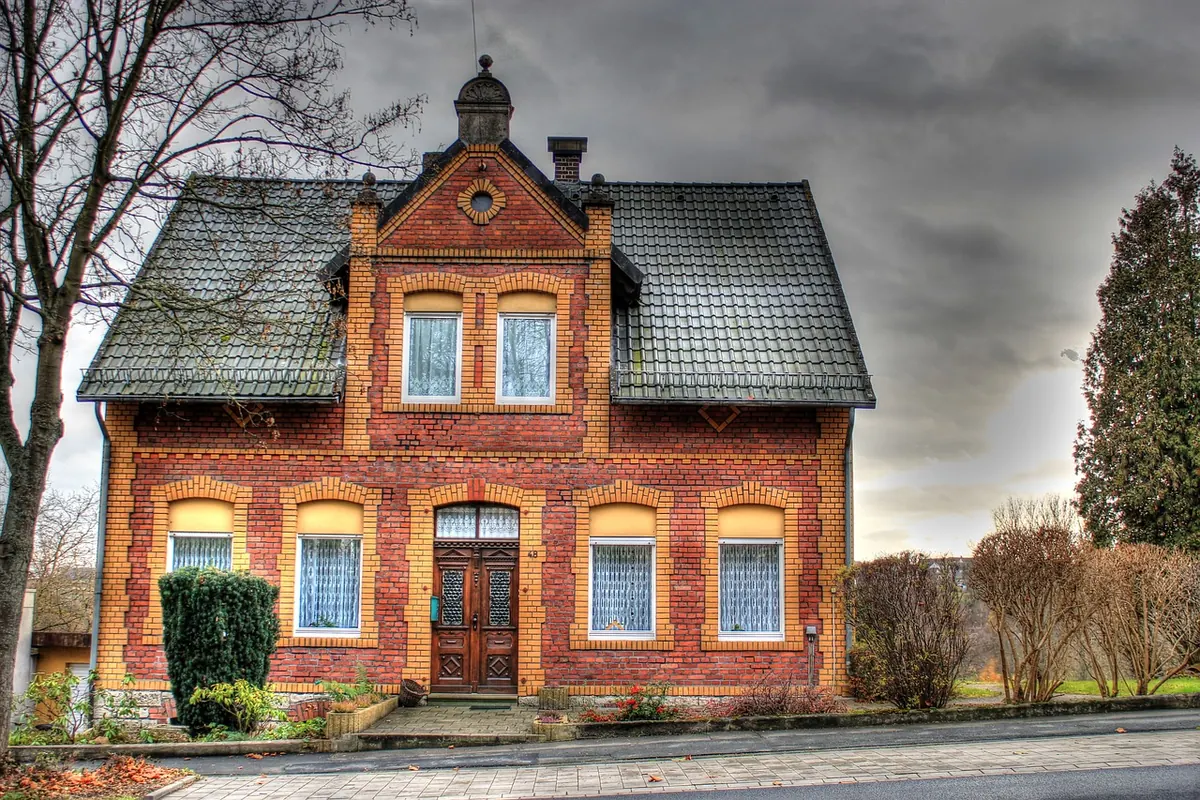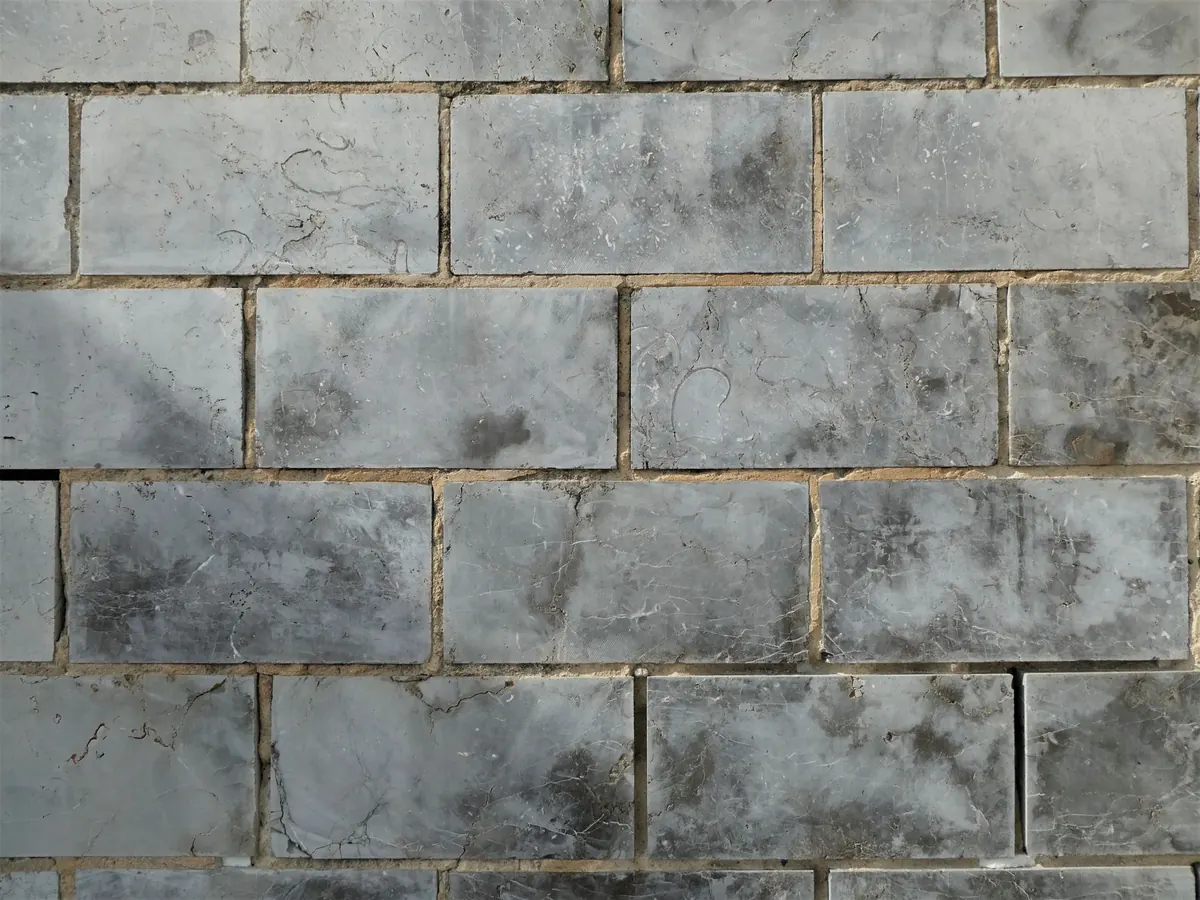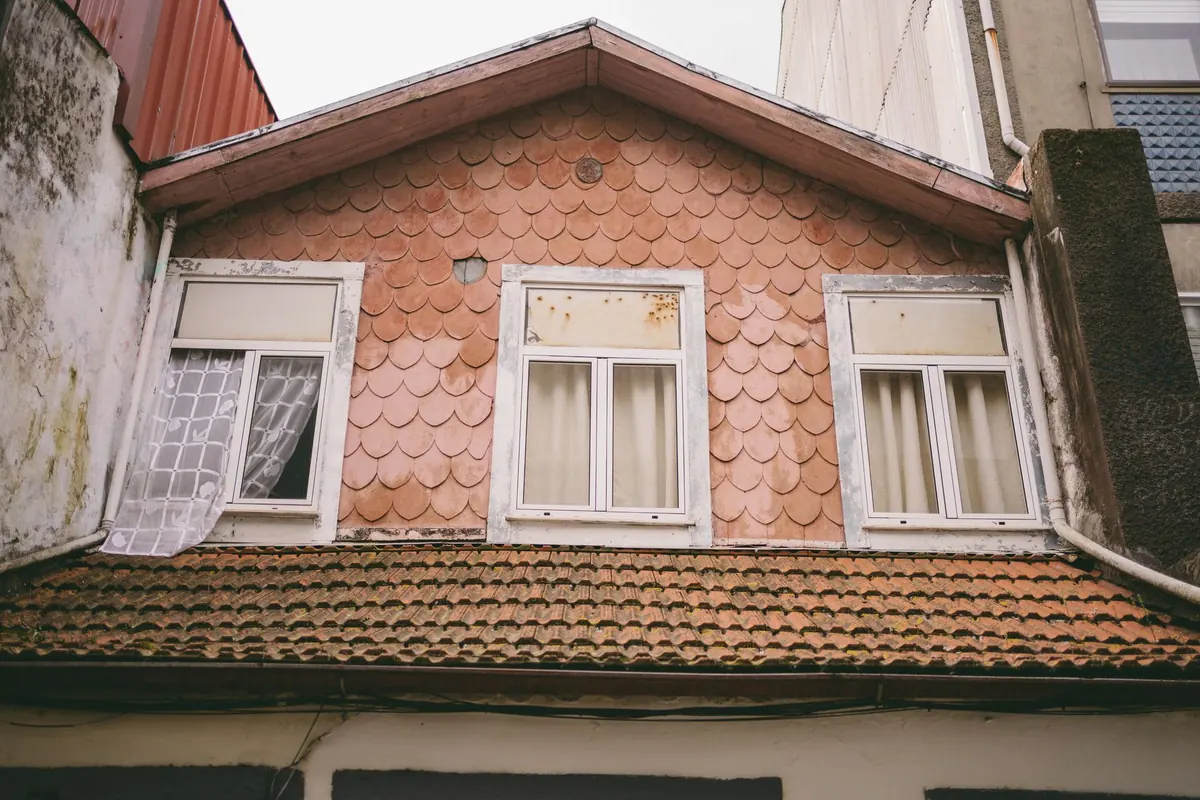

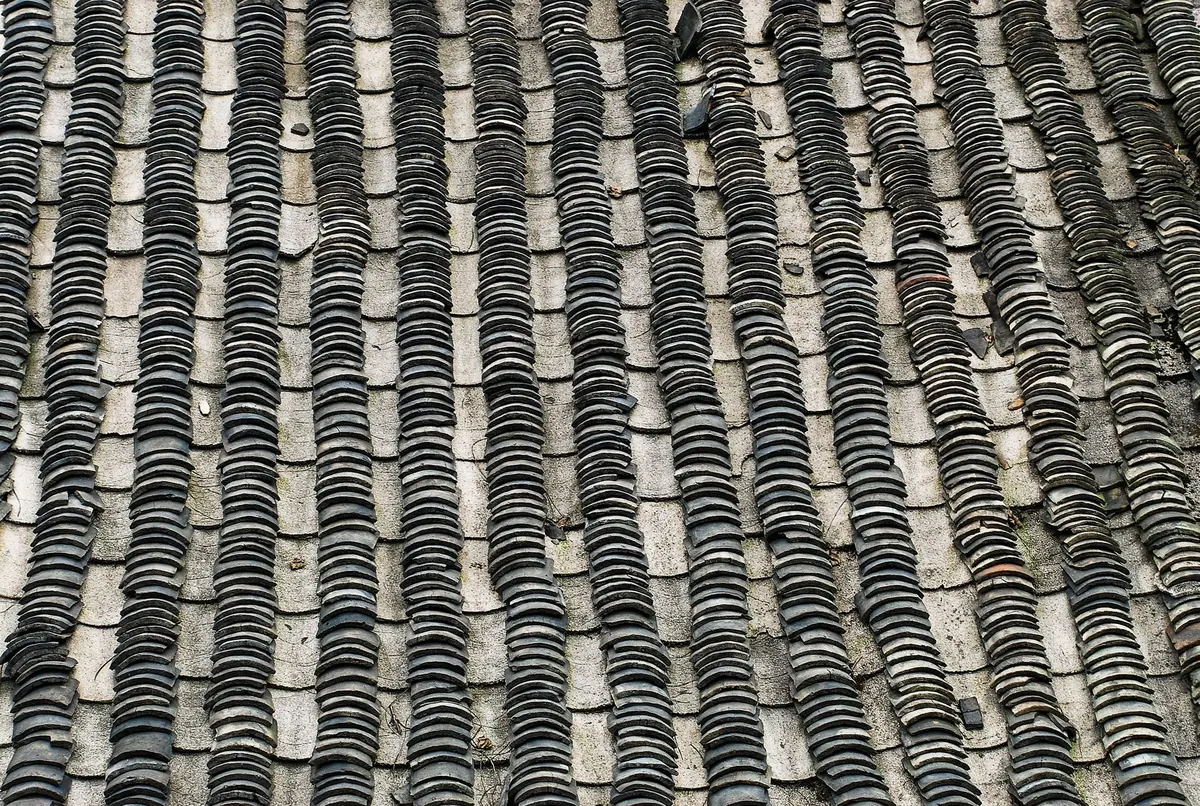
Walk through almost any stone-built town and you will see them side by side: a Victorian terrace still wearing its original blue-grey slates, and the house next door re-roofed a decade ago in something that looks similar from the pavement but somehow isn't quite the same. Natural and artificial slate both do the job — they shed water, they last, they look respectable. The differences show up in the quote, in the roof timbers, in how the covering ages, and occasionally in whether the council will let you fit it at all.
What you are actually buying
Natural slate is quarried rock, split along its cleavage into thin sheets. Welsh slate from the quarries around Bethesda in Gwynedd has been the benchmark for well over a century, with Delabole in Cornwall and various Cumbrian sources alongside it. Much of what is sold today is imported from Spain, and increasingly from Brazil, Canada and China. Quality varies enormously, and it is graded by thickness and size and tested for water absorption and for the iron sulphide inclusions that can cause rust-coloured staining.
"Artificial slate" is an umbrella term covering at least three different products: fibre cement slates, composite or resin slates, and interlocking concrete or clay tiles moulded to imitate slate. They are made differently, weigh differently and behave differently in service. Anyone who tells you they are all the same has not spent much time on a scaffold.
Cost: the quote today and the bill in thirty years
Natural slate costs more per square metre, often considerably more once you add the extra labour, copper or stainless fixings and the higher breakage rate on site. A Spanish slate roof will generally undercut a good Welsh one; a top-grade Welsh slate with diminishing courses on a period property will be at the top of the range. Reclaimed slate has its own market, and good salvaged Welsh slate can be worth selling rather than skipping when a roof comes off.
Fibre cement is the cheapest of the credible options, with composite slates sitting somewhere between. Do not stop at the initial figure. A roof that lasts forty years and then has to be replaced has cost you two roofs; a natural slate roof that outlives the fixings and is re-nailed once has cost you one and a half.
A sensible way to compare is cost per decade of service, not cost per square metre on the quotation.
Lifespan, weathering and repairs
Good natural slate routinely gives eighty to a hundred years, and Welsh slate has been known to keep going well beyond that. The covering is rarely the first thing to fail — the nails are. Mild steel fixings corrode, slates slip, and the answer is often to strip, replace the fixings and re-lay the original slates, which is one of the quiet advantages of natural stone.
Fibre cement slates typically last in the region of thirty to fifty years, with manufacturer warranties usually shorter than the roof's realistic life. Composite slates make longer claims, but the products only became common in the 1990s and 2000s, so there is limited evidence of how they look at forty years old. Colour fading and surface chalking are the usual complaints.
Repairs matter too. Individual natural slates can be replaced if you keep a few spare; matching a discontinued artificial product fifteen years later is far harder, and a patch of sun-faded tiles beside new ones is very visible.
Weight and what your roof structure can carry
Natural slate is heavy. As a rough rule of thumb, at the pitches and headlaps used on UK roofs, a natural slate covering lands somewhere around 25 to 45 kilograms per square metre depending on thickness and lap. Fibre cement sits in a similar range, sometimes slightly lighter, and composite slates are usually the lightest of the three.
That matters most on older roofs. Many Victorian and Edwardian buildings were slated originally, were re-covered in heavier concrete tiles in the 1960s or 70s, and are now being returned to slate — in which case the load often drops. Going the other way, from a light covering to a heavy one, or adding insulation and a new deck at the same time, is when timbers need checking. Before committing, ask a roofer or a chartered structural engineer to confirm the rafters, purlins and trusses can take the proposed load. It is a modest cost against a sagging roof line.
Appearance: where the difference really shows
Natural slate is never uniform. Colour shifts between blue-grey, heather, purple and green, thickness varies slightly, edges are riven rather than cut, and the surface dulls into a soft patina over the first few winters. On period buildings, diminishing courses — larger slates at the eaves, smaller towards the ridge — give a roof its characteristic texture.
Artificial slates are made to a tolerance, and that consistency is both their strength and their weakness. On a new build or a modern extension it reads as neat and orderly. On an eighteenth-century cottage it can look flat and over-tidy, like a photocopy of the real thing. The better fibre cement and composite ranges have improved their surface texture and colour variation considerably, so look at a weathered roof of the same product locally rather than a shiny sample board. Ask to see a sample panel in place, and pay attention to fixings, ridge and hip details, verges and valleys as well — the accessories often give the game away faster than the slates.
Planning, conservation areas and building control
This is the part that catches people out, and it is worth a phone call before you order anything.
- Listed buildings: listed building consent is normally required, and the expectation is that materials and detailing match the original. Natural slate is usually the only acceptable answer.
- Conservation areas: roof alterations can need planning permission, and some areas have Article 4 directions that remove the permitted development rights you might otherwise rely on.
- National parks and areas of outstanding natural beauty: similar considerations, with local guidance on materials and colours.
- Building regulations: re-roofing can trigger requirements to upgrade insulation where the roof is a thermal element, and ventilation and breathability need thinking through at the same time.
- Bats: roofs are prime bat habitat and bats are legally protected. If you suspect they are present, stop and take advice before work begins — disturbing a roost is an offence.
Local planning authorities and conservation officers are generally happy to discuss proposals informally, and a short conversation now saves a costly refusal later.
How to decide
- Establish what the building had originally, and what the planners will accept.
- Get the structure checked if the weight is changing in either direction.
- Compare quotes on a like-for-like basis, including fixings, underlay, ventilation and waste.
- Ask each supplier for the specification and test standard of the product, not just the trade name.
- Look at a weathered example nearby before you commit.
As a broad rule: period and listed properties, long-term holds and anyone who values a roof that ages gracefully should lean towards natural slate, budget permitting. New builds, tight budgets, extensions and structures that cannot take extra load are where a good fibre cement or composite slate earns its place — provided you buy a reputable range rather than the cheapest pallet on offer. Either way, spend on the fixings and the detailing. A roof is only as good as what is holding it down.
Photo: christian hembert / Pexels